
The History Behind Ardmore Monastery
Understand what you're looking at. From 5th-century foundations to today's iconic ruins, the story of this headland is as dramatic as the views.
More Than Just Old Stones
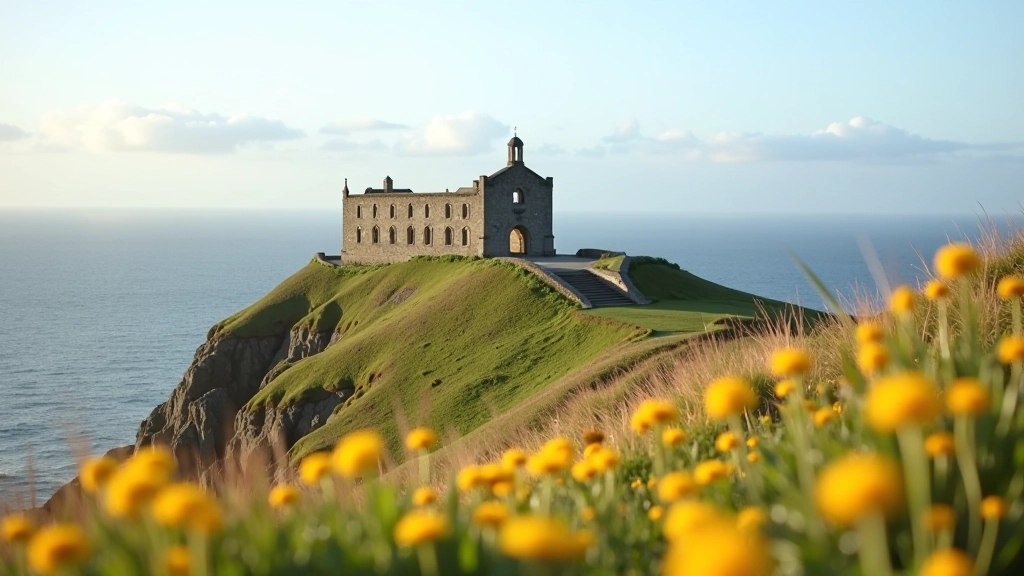
When you're standing on the Ardmore headland, looking at those weathered stone structures, you're not just seeing ruins. You're standing in one of Ireland's most significant spiritual sites — a place that's shaped this coastline for over 1,500 years. The monastery here wasn't just a quiet retreat. It was a center of learning, pilgrimage, and faith that drew people from across Europe.
What makes Ardmore different from other monastic sites? It's the combination of everything. You've got the dramatic location perched above the Atlantic. You've got structures that have survived centuries of storms and changes. And you've got a story that connects ancient history with the landscape you're walking through right now.
5th
Century Foundation
1,500+
Years of History
3
Major Structures Remain
The Founding: Saint Declan's Vision
Around 400 AD, Saint Declan arrived at this remote Waterford headland with a mission. He wasn't the first Christian in Ireland — that honor belongs to Saint Patrick — but Declan established something unique here. He didn't just build a chapel. He created a monastic community that would become one of the most important pilgrimage destinations in medieval Europe.
What's fascinating is that we don't actually know every detail of Declan's life. Some accounts say he traveled to Rome and returned with relics. Others mention he performed miracles on this very headland. But what we do know is that pilgrims started arriving. They came from Wales, from France, from as far as the Mediterranean. They weren't casual tourists — they came because they believed in Declan's spiritual authority and the power of this place.
By the 7th century, Ardmore wasn't just a monastery. It was a pilgrimage site with its own distinct identity. Monks here weren't just copying manuscripts and saying prayers. They were scribes, scholars, and teachers. Students came to study here. The community grew. Buildings expanded.
Medieval Expansion: The Golden Age
By the 10th and 11th centuries, Ardmore had become something remarkable. The monastery wasn't just surviving — it was thriving. The community had constructed the structures you can still see today. The Round Tower, standing about 97 feet tall, dominated the skyline. It wasn't just decorative. These towers served practical purposes: they were bell towers, bell storage, and refuge during Viking raids and storms.
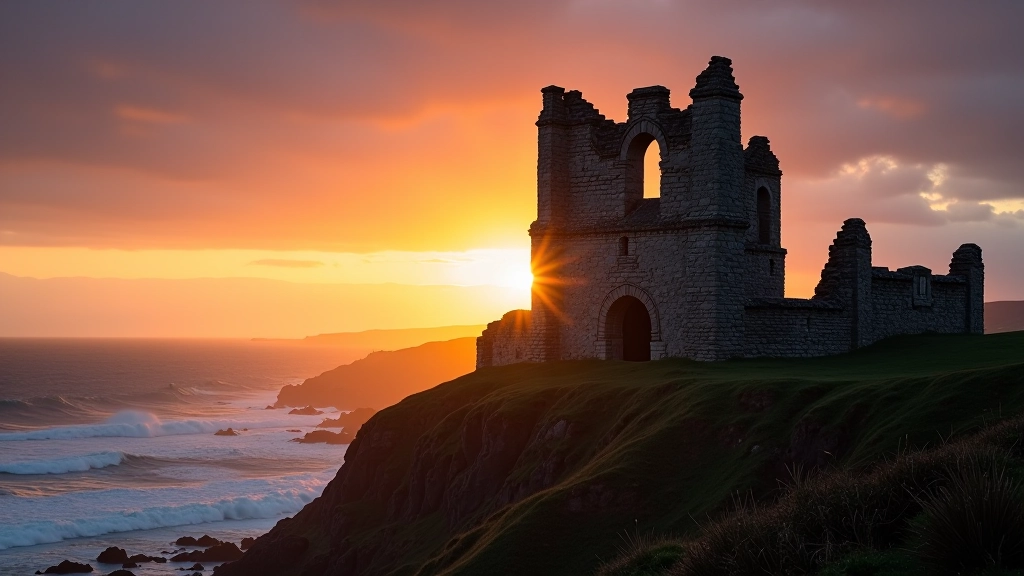
The Cathedral was equally impressive for its time. Built in the 13th century, it's surprisingly substantial even in its ruined state. You can still see the architectural details. The windows, though broken now, were once glazed. The walls were plastered. There was a roof. This wasn't a simple stone building — it was a sophisticated structure that required skilled craftsmen and significant resources to construct.
What's remarkable is that during this period, the monastery was also functioning as an economic hub. Monks were farmers. They managed lands. They ran a mill. They had workshops for metalwork and stonework. The pilgrimage trade brought revenue. Ardmore wasn't isolated from medieval commerce — it was deeply connected to it.


Decline and Dissolution: A Shifting World
Here's where the story takes a turn. By the 15th and 16th centuries, European Christianity was changing. The Protestant Reformation wasn't just a theological shift — it was a complete reorganization of religious power. In Ireland, English forces were tightening their grip on the island. Monasteries, especially those with wealth and land, became targets.
Ardmore's decline wasn't sudden. It was gradual. The pilgrimage traffic slowed. The monastic community shrank. By the time of the formal Dissolution of the Monasteries in the 1530s-40s under Henry VIII, Ardmore was already struggling. The buildings that had stood for centuries were no longer maintained. Stones were taken for other buildings. The landscape slowly reclaimed parts of what humans had built.
But here's what's remarkable: the site wasn't completely abandoned. Local people continued to revere it. Pilgrimages didn't stop entirely — they just became smaller, quieter, more local. People still came on Saint Declan's feast day. The community memory of this place never fully disappeared, even when the formal religious function did.
What Remains Today
- The Round Tower — 97 feet of medieval stonework
- The Cathedral ruins with decorated Romanesque arches
- Saint Declan's Well — still visited by pilgrims
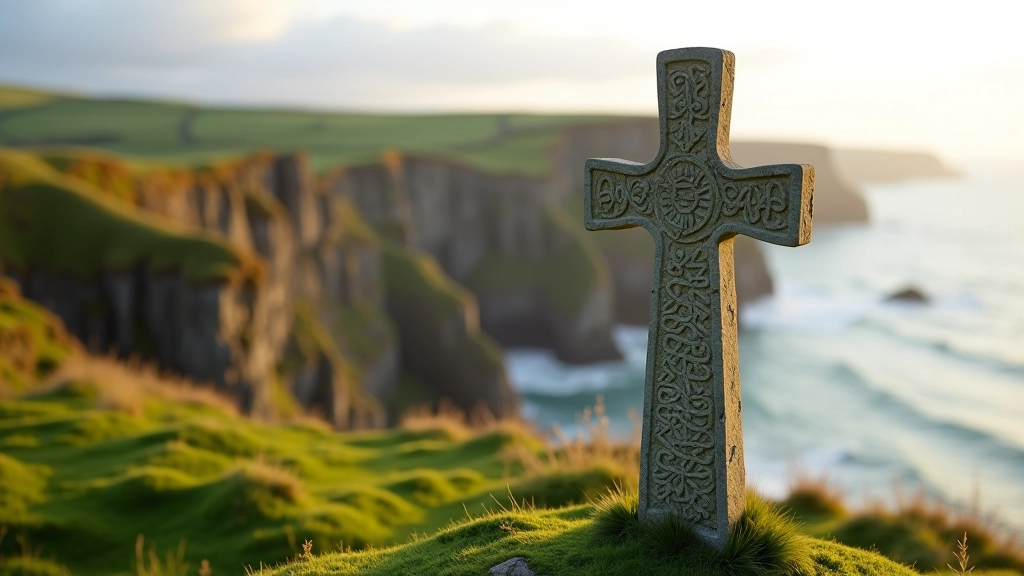
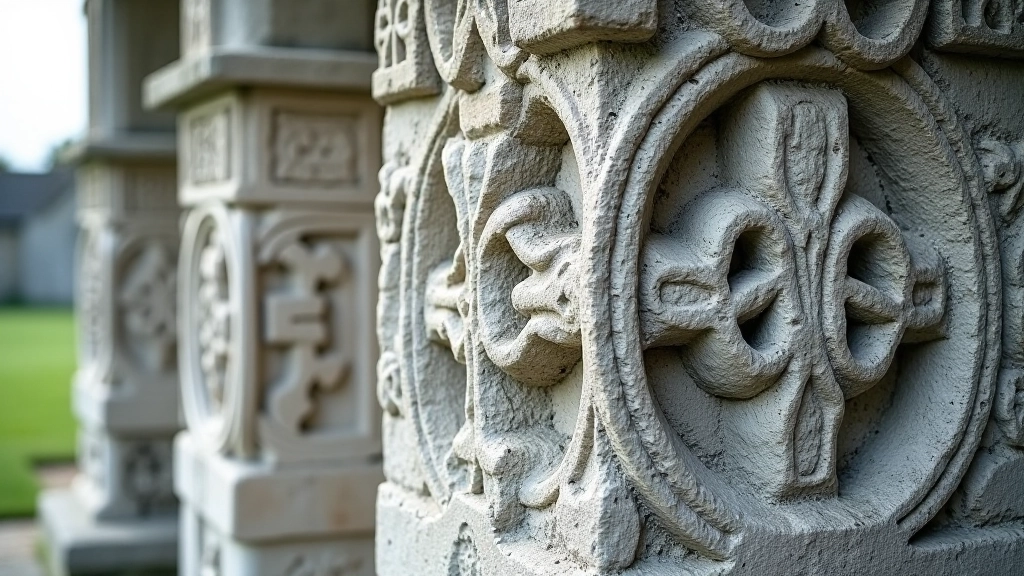
- Ancient carved stone crosses scattered across the site
- Graveyard with burials spanning centuries
Why Ardmore Matters: Then and Now
Understanding Ardmore's history changes how you experience the walk. Those aren't just old ruins you're looking at — they're physical evidence of a community that lasted over 1,000 years. They're proof of human ambition, spiritual devotion, and architectural skill in the medieval world.
The monastery tells you something important about medieval Ireland. This wasn't a poor, isolated island. Ardmore was connected to international networks. Scholars came here. Books were copied here. Ideas were exchanged. The community was sophisticated enough to build structures that have survived 500+ years of Atlantic weather.
Today, standing on that headland with the wind in your face and the ocean stretching to the horizon, you're connecting with something real. Real people built these stones. Real pilgrims walked this path. Real monks chanted in that cathedral. The history isn't abstract — it's literally beneath your feet and all around you.

What You're Actually Walking Through
When you're on the Ardmore headland, you're not just walking through a scenic location. You're walking through 1,500 years of human history. You're standing where Saint Declan stood. You're walking past structures built by medieval craftsmen. You're on a path that pilgrims have walked for centuries.
The ruins won't tell you their story unless you know how to read them. That's why understanding the history matters. It transforms what you're seeing from interesting old rocks into a narrative of faith, community, change, and resilience.
Next time you're standing on that headland with the Atlantic wind pushing against you and the ancient stones solid beneath your feet, take a moment. Think about the people who came before you. Think about why they built this place here, why they maintained it for over a thousand years, and why people still come back to it centuries after the monks have gone.
That's what makes Ardmore special. It's not just history. It's a story written in stone, shaped by the landscape, and kept alive by every person who walks through it.
About This Information
The historical information in this article is based on scholarly research, archaeological evidence, and documented accounts of Ardmore Monastery. However, medieval history often involves incomplete records and interpretations that can vary. For the most current and detailed academic information, we recommend consulting with the local heritage center or Irish historical societies. This article is intended as an educational guide to enhance your understanding and appreciation of the site during your visit.