
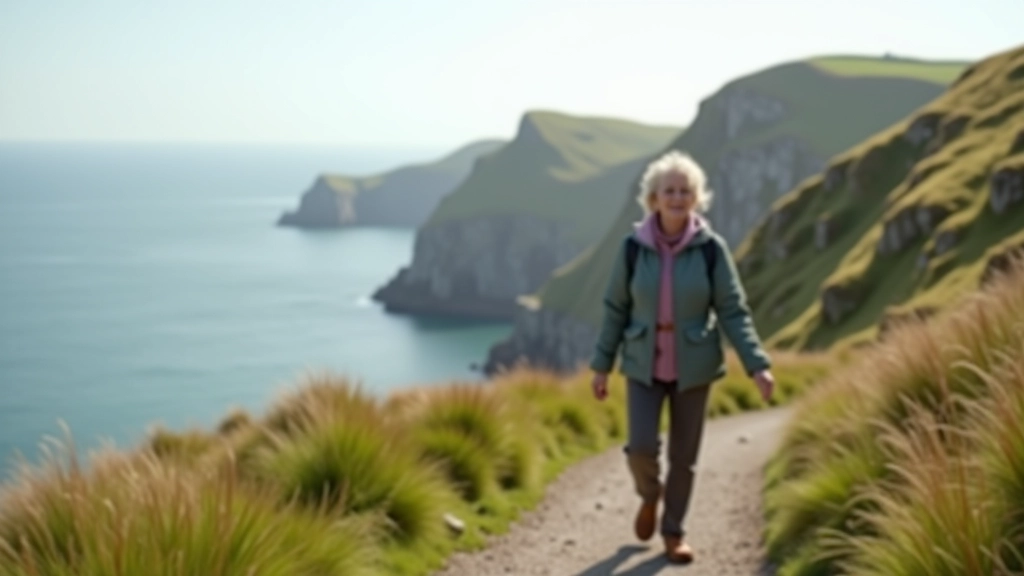
Walking Safely with Friends and Family
Tips for group walks, pacing yourself, and knowing when to take breaks. Plus how to encourage others without overdoing it.
Why Walking Together Matters
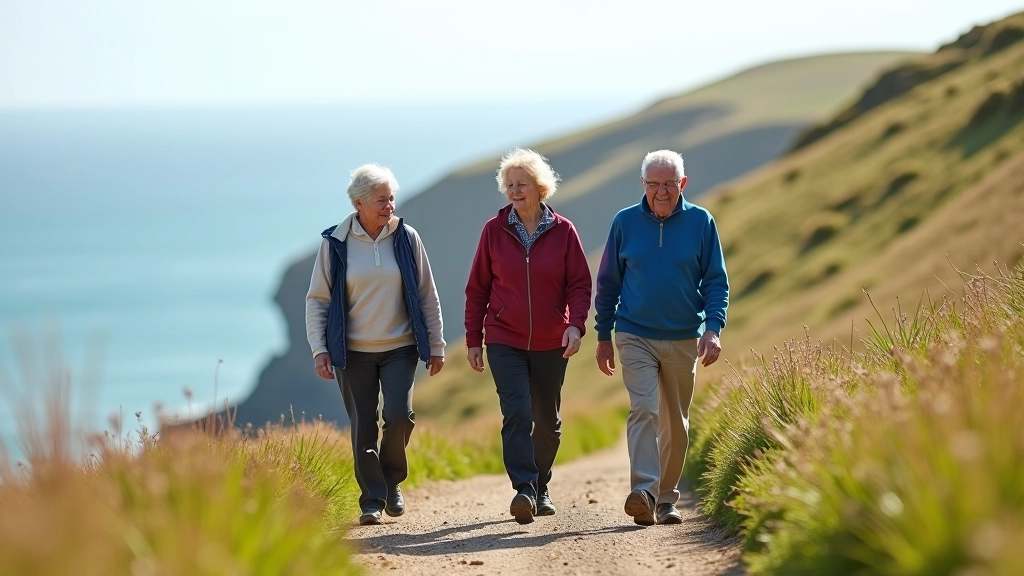
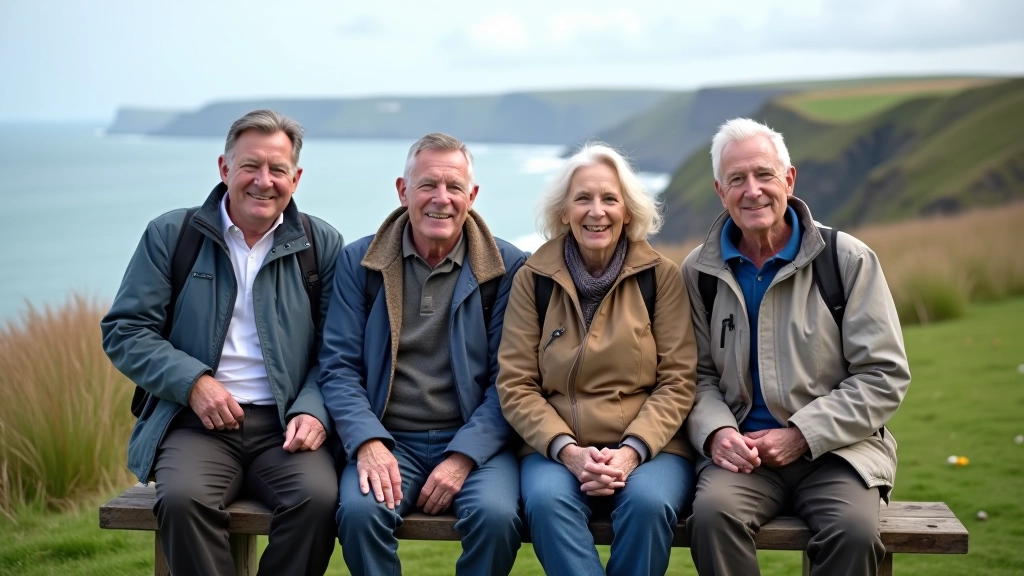
Walking with friends and family isn't just more fun — it's also safer and more sustainable. You've got company when things get challenging, someone to share the views with, and natural motivation to keep moving. But group walks come with their own rhythms and pacing challenges.
The best group walks happen when everyone knows their own limits and communicates them clearly. It's not about keeping up with the fastest person or slowing down for the slowest. It's about finding a pace that works for the group while respecting where each person is at that day.
Finding Your Group's Pace
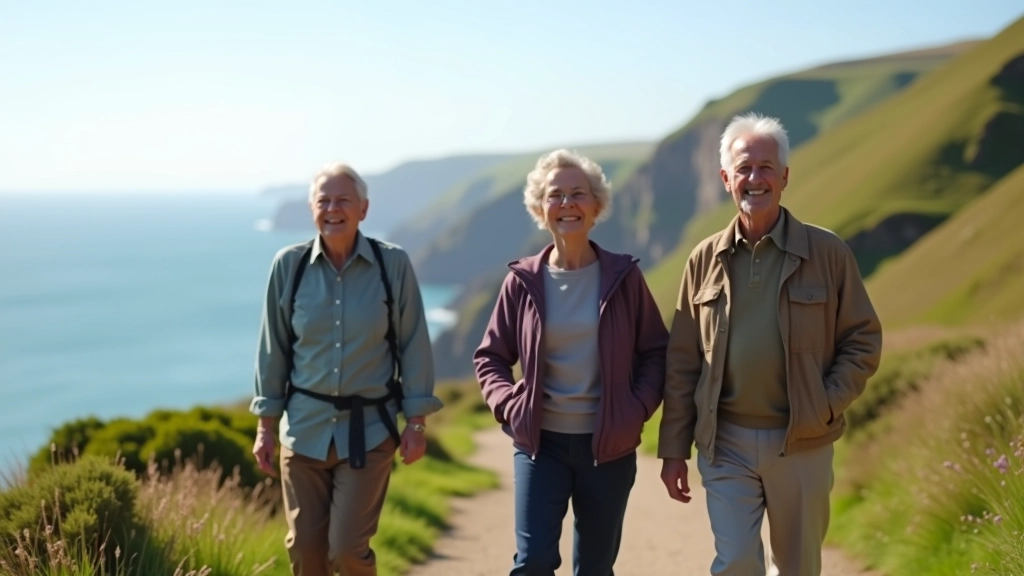
The trick isn't having everyone walk at the same speed. It's establishing a rhythm that lets everyone move comfortably without constant negotiation. Start by asking people how they're feeling that day. Some days you're stronger than others, and that's normal.
Set a meeting point at the start and agree on the route before you begin. If your group has mixed fitness levels, plan a route with natural stopping points — benches, scenic overlooks, or places to rest. These aren't failures; they're built into the walk.
Pro tip: Walk in a group of 3-5 people rather than larger numbers. Smaller groups adjust pace more easily and nobody gets left behind in conversation.
Breaks Aren't Setbacks
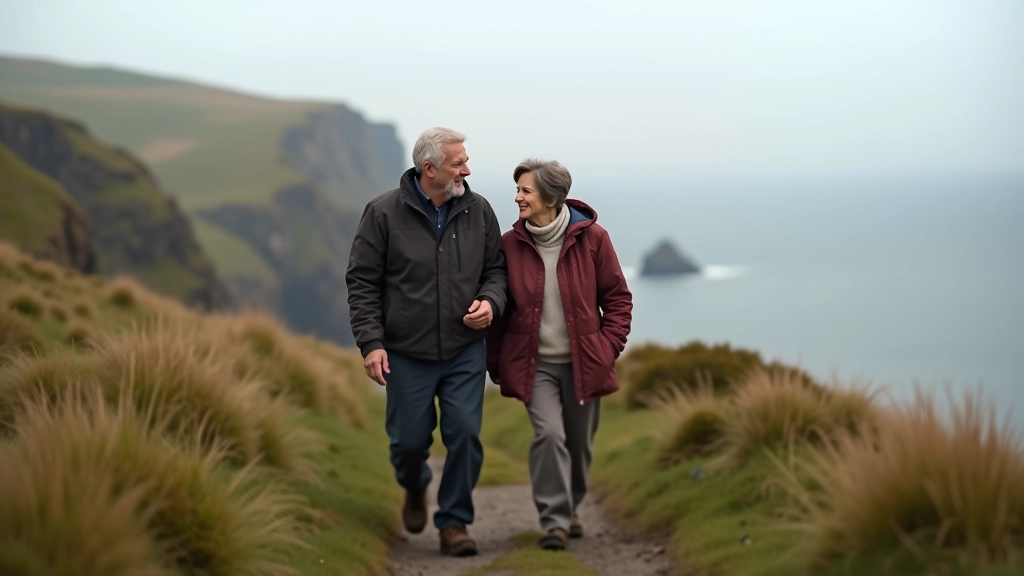
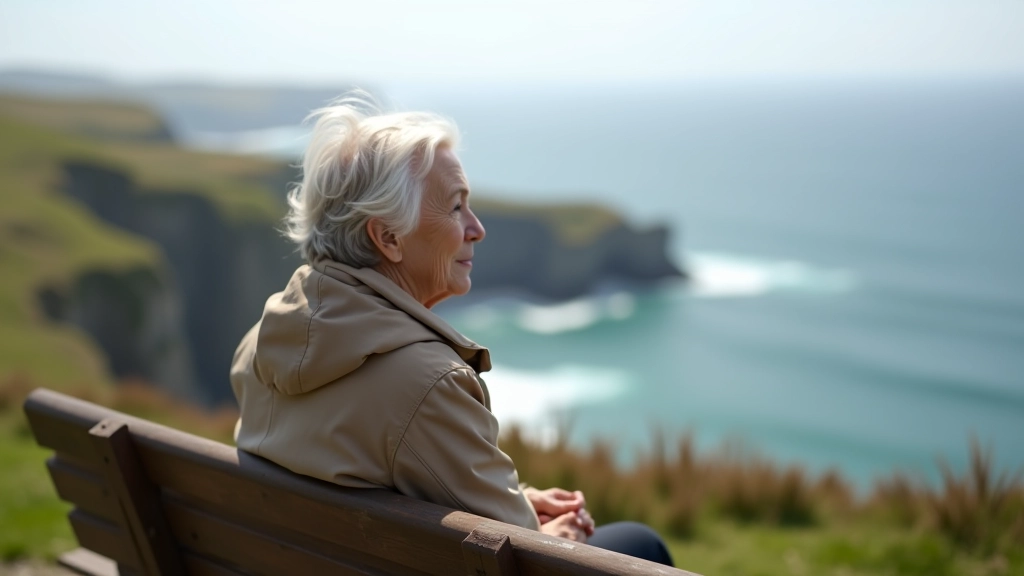
Taking breaks is part of walking, not something to feel guilty about. Plan them in. Rest every 20-30 minutes if you're new to walking, or every 45 minutes if you've been at it a while. Sit down properly — find a bench or flat rock — rather than standing while you rest.
Use breaks to hydrate, have a light snack, and actually enjoy where you are. Don't just stop for 30 seconds and keep going. A proper 10-minute break lets your legs recover and your breathing settle. This is where the best conversations happen anyway.
- Bring water — more than you think you'll need
- Pack small snacks like fruit or nuts
- Have a shaded spot identified before you set out
- Don't rush the break — enjoy it
Communicating Without Complaining
Being honest about how you're feeling is different from slowing everyone down. You don't need to apologize for being tired or for needing to sit down. Just say it clearly: "I'm feeling strong today, let's go at a good pace" or "My knees are a bit sore, can we take it easier?"
The group benefits from knowing what to expect. If someone's struggling, the whole dynamic shifts. Better to say it upfront than to pretend you're fine and then get grumpy halfway through. Most people appreciate honesty far more than false cheerfulness.
"The best walks I've had are with people who just say what's happening instead of pretending everything's fine. It takes the pressure off everyone."
Continue Learning

The Real Goal
Walking with friends and family isn't a performance. It's not about reaching a certain distance or walking fast. It's about moving together, enjoying the scenery, and creating time to actually talk to people you care about. The pace doesn't matter. The company does.
Start with short routes you know. Bring people you trust. Take breaks when you need them. Be honest about how you're feeling. Do that, and you'll have walks you actually remember — not for how far you went, but for who you were with.
Important Notice
This article is educational and informational in nature. Walking, especially on coastal trails, carries inherent physical risks. If you have existing health conditions, joint problems, or haven't exercised recently, consult your doctor or a physiotherapist before starting a new walking routine. Everyone's fitness level is different — listen to your body and adjust accordingly. Always walk with a buddy, carry water, and let someone know where you're going. Weather and tides can change quickly on coastal paths — check conditions before you set out.