
Getting Started on the Ardmore Headland Walk
A step-by-step guide to preparing for your first visit. Covers parking, what to expect, and how to pace yourself.
Read More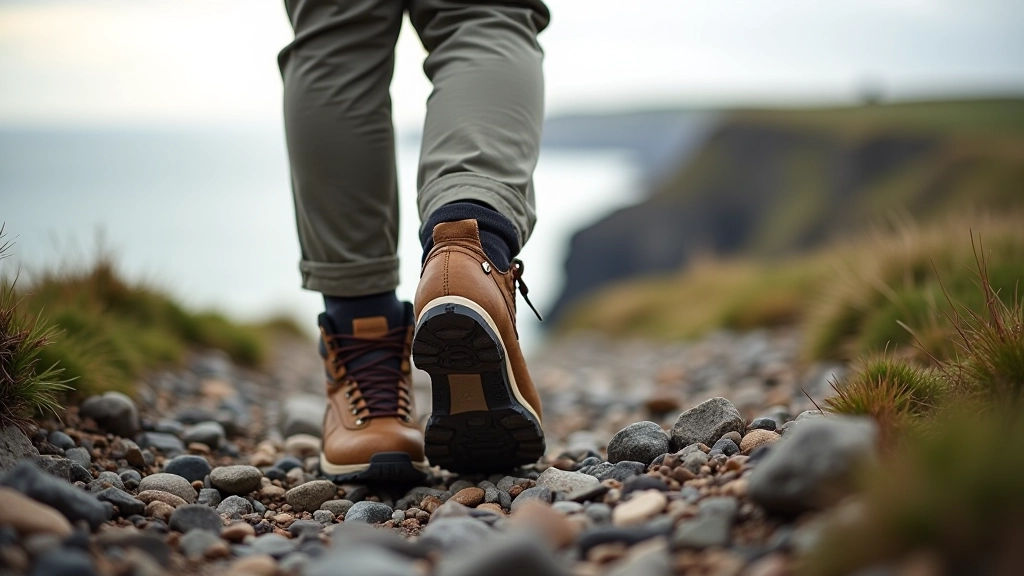
Don't let equipment concerns stop you. We'll break down what actually matters — and what you can skip — when walking Waterford's cliff paths.
When you're thinking about walking the Ardmore Headland or other Waterford coastal trails, gear questions pop up fast. What shoes should I wear? Do I need special clothing? Is there anything I'm forgetting?
Here's the thing — you don't need to spend a fortune or buy every gadget on the market. What you do need is the right combination of practical items that'll keep you comfortable and safe on rocky, windswept paths. We've put together what actually works, based on real experience walking these trails.
Your feet take a beating on coastal paths. Waterford's cliffs mean uneven ground, loose rocks, and sometimes damp surfaces. Standard trainers won't cut it — you'll slip, your ankles will struggle, and you'll be uncomfortable.
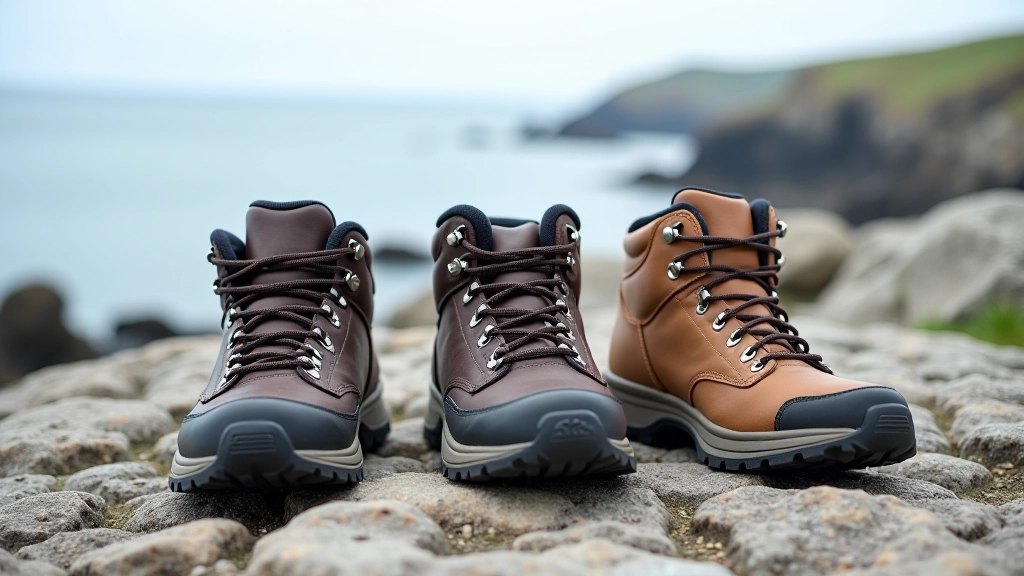
What you're looking for is a walking boot or sturdy hiking shoe with three key features: good grip on the sole (Vibram soles are reliable), ankle support that keeps your foot stable, and water resistance to handle morning dew or spray from the cliffs. You don't need expensive mountain boots — mid-range hiking boots around €80-120 work perfectly for this terrain.
Break them in properly. Wear them on short walks for a week or two before tackling a full coastal route. That matters more than spending extra on premium brands. Your feet'll tell you if something's wrong within a few kilometres.
Coastal weather changes fast. You could start in bright sun and find yourself in a chill wind within 20 minutes. That's why layering matters more than wearing one "perfect" jacket.
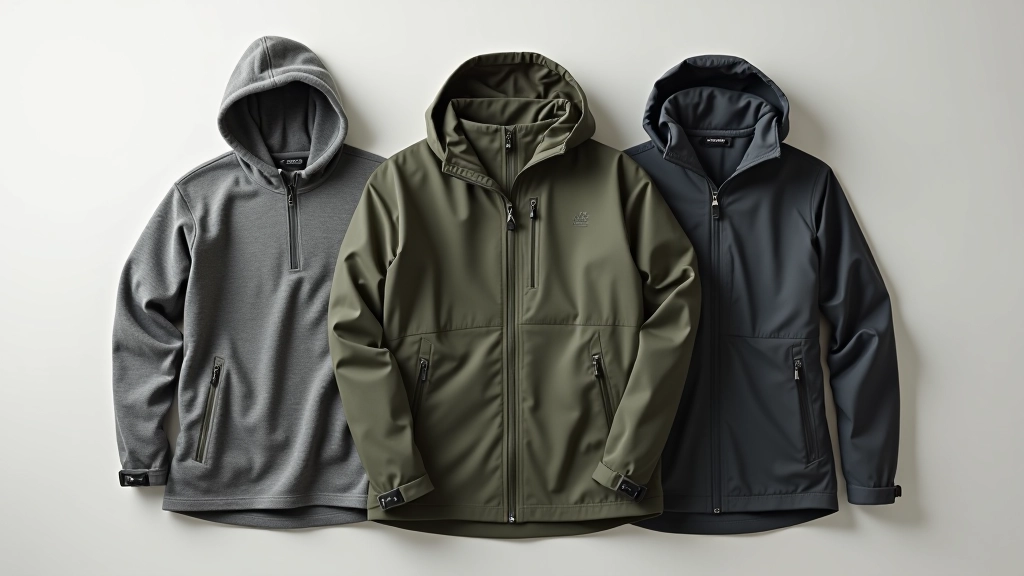
The system is simple: a moisture-wicking base layer (merino wool or synthetic, not cotton), a mid-layer for insulation (fleece works well), and a waterproof shell on top. You don't need expensive technical gear — supermarket hiking clothes with these three layers beat fancy single-layer jackets every time.
Bring a lightweight hat and gloves, even in May. Wind at 100+ metres above the Atlantic is properly cold. A neck buff is useful too — it protects against sun, wind, and can be pulled up if weather turns.
Carry at least 1.5 litres of water. There's nowhere to refill on the cliff paths, and the sea air makes you thirsty faster than you'd expect. A lightweight water bottle that clips to your backpack is ideal.
Pack snacks that won't spoil: nuts, dried fruit, cereal bars, or a sandwich. You're burning energy walking uneven terrain. A small snack every 45 minutes keeps your energy steady.
Keep your phone in a waterproof pouch. Signal's spotty out there, but having it accessible matters. A small first-aid kit and a whistle take minimal space.
Print or download offline maps of the trail. The coastal paths are well-marked, but having a backup reference prevents wrong turns and keeps you confident.
Sunscreen, even on cloudy days — the UV reflects off the ocean. Sunglasses reduce glare from the water and protect your eyes from wind. You'll be out there for hours.
A 20-25 litre pack is plenty. Look for padded straps and a hip belt to distribute weight properly. Waterproof or water-resistant is essential. Budget €40-60 for a solid one.
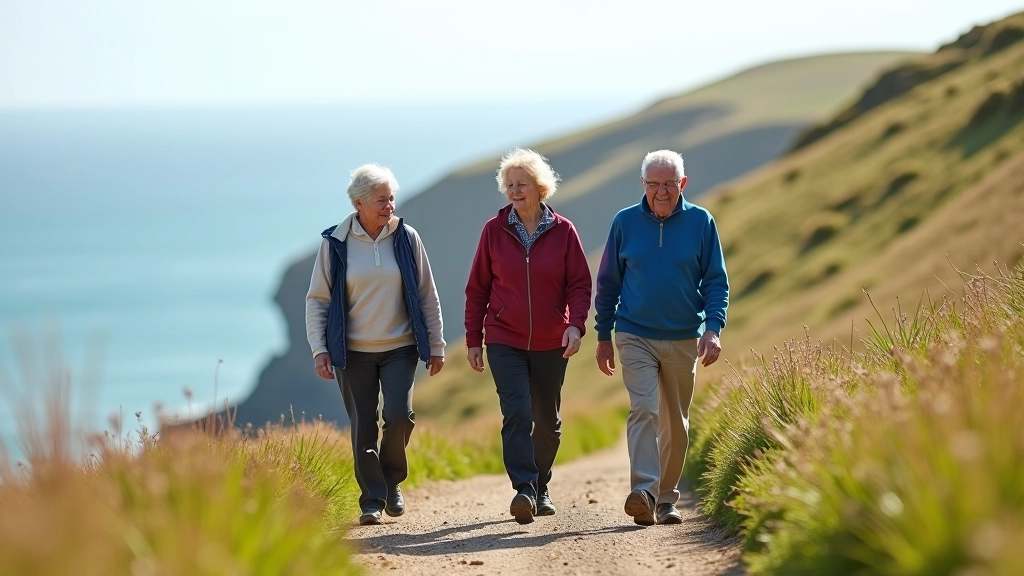

Let's be honest about what gets marketed that you can skip. You don't need expensive GPS watches or fancy hiking apps — a simple offline map works fine. You don't need trekking poles unless you've got knee issues (they're useful then). You don't need specialist moisture-wicking socks — regular cotton or wool socks are fine, just bring spares.
Don't buy expensive "adventure" clothing brands. Standard supermarket outdoor gear does the job. What matters is having the right items, not the label. A €30 fleece from a regular shop works as well as a €100 technical one for coastal walking in Ireland.
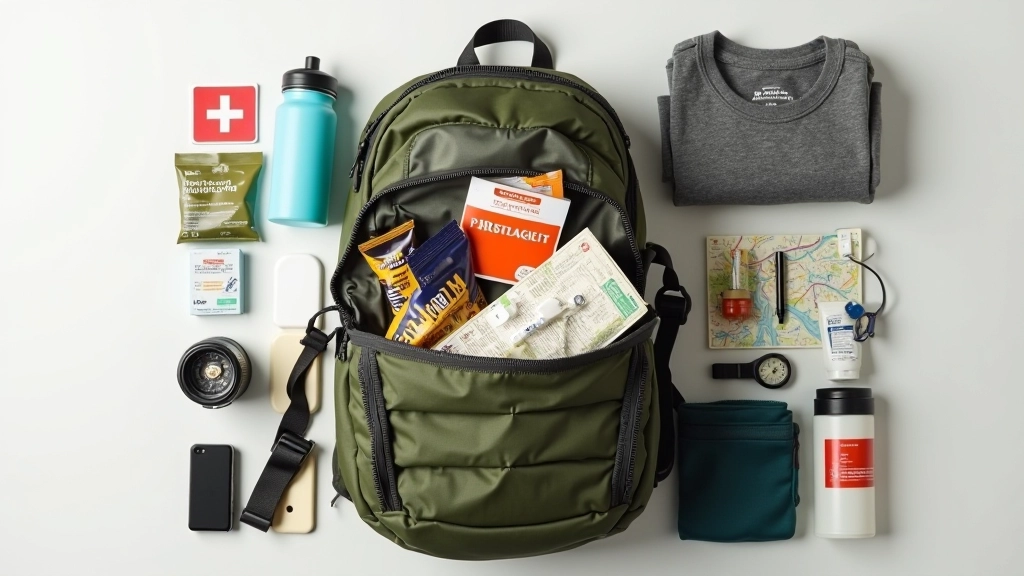
That's it. You don't need to overthink this. Good boots, layers, water, and snacks — that's the foundation. Everything else is refinement. Get out on the Ardmore Headland trails or whichever coastal path you're drawn to. The gear'll keep you comfortable, and you'll have a day you'll actually remember.
Start with a shorter route if you're new to this. Build confidence. Adjust what you're carrying based on what you actually use. After a few walks, you'll know exactly what matters to you and what you can leave behind.
The cliffs aren't going anywhere. They've been there for millennia. They'll be waiting when you're ready — and with the right gear, you'll be comfortable enough to really enjoy them.
This article provides general guidance on choosing walking gear for coastal trails. Individual needs vary based on fitness level, experience, and personal health considerations. Always consult with your GP before undertaking new physical activities, particularly if you have existing health conditions or haven't exercised regularly. Weather conditions can change rapidly on coastal paths — check forecasts and be prepared to turn back if conditions deteriorate. Walk with a companion when possible, and always inform someone of your planned route and expected return time.